

Technical Design and
Operational Support
Element’s team of technical professionals provide integrated hydraulic fracturing and coiled tubing treatment design solutions that optimize execution, efficiency, and well performance.
Engineering Support
The Element Advantage is built around data-driven execution. From detailed pre-job modeling to real-time monitoring and post-job optimization, our engineering team provides actionable insight at every stage of the fracturing program—ensuring informed decisions, improved efficiency, and measurable results.
Our Services Include

Reservoir & Data Evaluation
We begin by integrating geological, petrophysical, and operational data to define clear completion objectives and constraints. Key subsurface factors, including stress profiles, pore pressure, and rock‑mechanical properties, are analyzed to determine optimal treatment parameters and stage spacing. Early identification of reservoir risks ensures the design aligns with both reservoir behaviour and regulatory requirements.
Hydraulic Fracture Design & Modelling
Using advanced analytical and numerical modelling, we develop a detailed fracture design tailored to the reservoir. Fluid systems, proppant types, pump schedules, and stage architecture are engineered to achieve the desired fracture geometry. The design focuses on maximizing reservoir contact while controlling fracture growth and minimizing well‑to‑well interference.

Pre‑Job Engineering & Readiness
The design is translated into a field-ready program through engineering checks, laboratory testing, and operational planning. Pressure modelling, equipment compatibility, treatment schedules, and risk management are finalized to ensure regulatory compliance and operational alignment.

Real‑Time Operational Support & Optimization
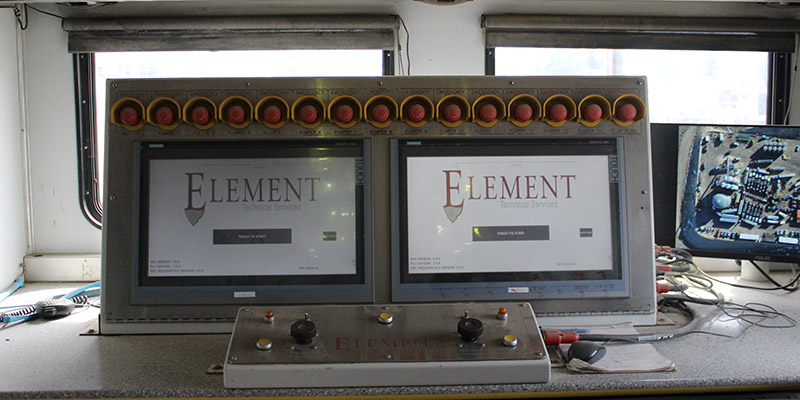
Technical Specialists monitor live data during operations, adjusting pump schedules and concentrations as needed to optimize fracture effectiveness and safety. Real-time collaboration with field personnel enables swift decisions and minimizes downtime. An onsite Quality Control (QC) Technician is essential during hydraulic fracturing operations, as they ensure that the fracturing fluid, proppant (sand), and equipment consistently adhere to precise design specifications.

Post‑Job Analysis & Continuous Improvement
After completion, treatment and production data are reviewed to evaluate design effectiveness and identify areas for improvement. Insights and lessons learned are incorporated into future projects, ensuring ongoing optimization and adaptation to evolving reservoir and operational conditions.
QUESTIONS?
Reaching new depths through innovative solutions